Chemical Peels
Conveniently located to serve the areas of Montreal, Quebec
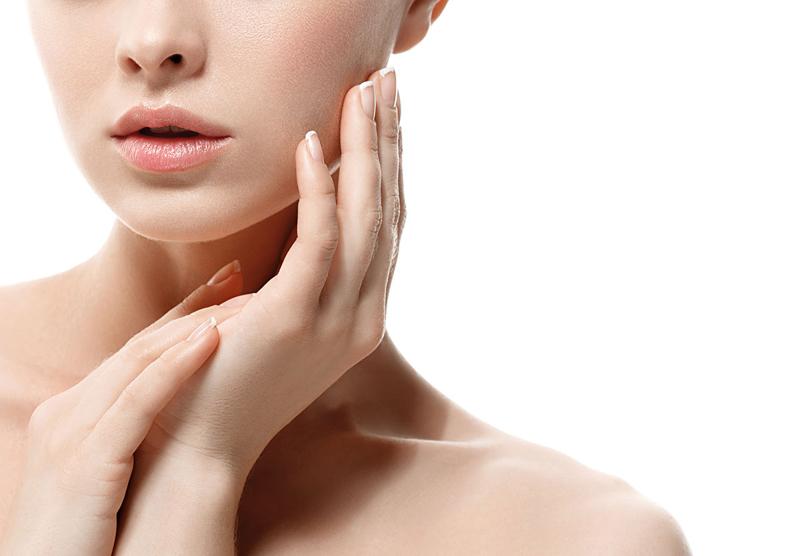
A chemical peel is a skin treatment designed to enhance the appearance and quality of the skin. (1) These peels use an acidic solution that helps exfoliate damaged skin and prompts the regeneration of new cells. Chemical peels are available in varying strengths to address a wide range of skin conditions, including acne, melasma, hyperpigmentation, sun spots, and more!
At Centre De Chirurgie Plastique & Esthétique De Montréal, we are dedicated to helping you achieve the glowing look you desire. Led by board-certified cosmetic and plastic surgeon Dr. Gaby Doumit, our team has helped many patients achieve stunning, healthy-looking skin with treatments like the chemical peel.
To schedule a personal consultation and learn more about our different chemical peels, please submit our online contact form or call our Montreal office at (514) 932-8200.
Contents
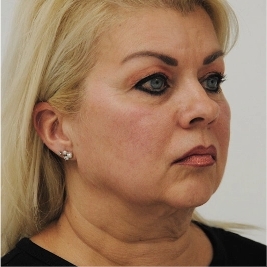
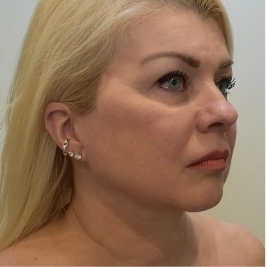
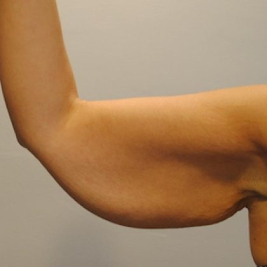
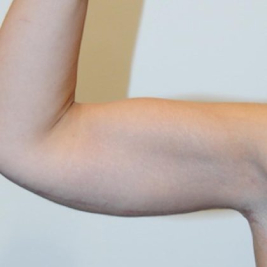
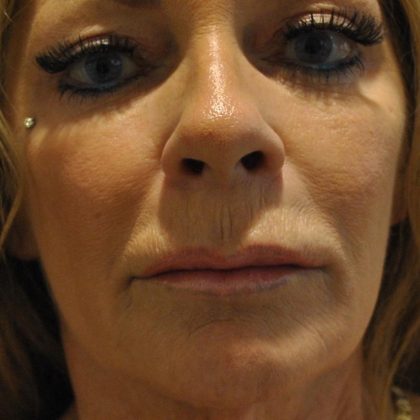
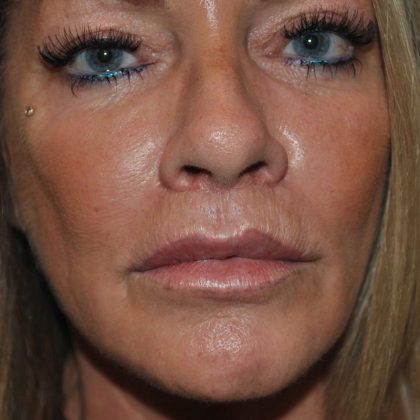
Before and After Photos


About Chemical Peels
Chemical peels are minimally invasive treatments that utilize special formulas to exfoliate the surface of the skin and improve its health and appearance. Chemical peels can be composed of different agents, usually various alpha-hydroxy acids (AHAs) and beta-hydroxy acids (BHAs), varying in strength and pH to address different concerns.
AHAs are organic acids that act as peeling agents to effectively address sun damage and acne, and include substances such as glycolic acid or citric acid. (2) BHAs, such as salicylic acid, are a type of chemical exfoliant that can be applied to improve the texture of the skin and address signs of aging. (3)
- Light Chemical Peels: Light chemical peels, or superficial peels, are designed to address minor damage to the skin. These peels have a higher pH (are less acidic) and primarily address surface-level damage to the skin, such as acne, hyperpigmentation, and uneven skin texture. They require less downtime than the other types of peels.
- Medium Peels: Medium peels are designed to reach deeper layers of the skin and are helpful when treating moderate skin concerns. Patients experiencing dark spots, wrinkles and fine lines, acne scars, or sun-damaged skin may be recommended for a medium peel.
- Deep Peels: Deep peels have the lowest pH of the three types of peels, meaning they are the most acidic. These peels are primarily applied to those looking for more severe rejuvenation. These peels are often used to address severe acne scarring, deep wrinkles, or certain textural imperfections. They require a longer downtime, but patients can see exceptional results with this type of peel.
Ideal Candidates for Chemical Peels
Ideal candidates for a chemical peel typically include anyone interested in addressing skin damage and restoring a more youthful-looking appearance. Chemical peels can address several different skin concerns, including:
- Fine Lines
- Wrinkles
- Pigmentation Concerns
- Age Spots
- Sun Damage
- Acne and Acne Scars
- Rough Skin Texture
- Enlarged Pores
Each prospective patient should have realistic expectations regarding what this procedure can accomplish in one session. Patients should also be free from any skin conditions that may affect their ability to receive treatment or heal. Certain candidates may be eligible for light peels, but may not be suitable for medium or deep peels. We will determine each patient’s candidacy during their personal consultation.
Personal Consultation
Before starting their treatment, each patient is asked to attend a consultation. We will first explain what a chemical peel encompasses and the differences between a light, medium, and deep peel. We will ask each patient about their medical history, their current prescriptions, areas of concern, and desired treatment outcomes, then evaluate the condition of the skin.
The gathered information is used to determine each patient’s eligibility for treatment and to develop their personalized treatment plan. Your specialist will recommend the best strength of peel for your concerns and may even suggest additional treatments, depending on your goals. Preparation and recovery instructions will be provided during the consultation, as well as a cost estimate. We encourage each patient to ask any questions they may have, as we want each individual to leave their consultation feeling informed and confident about their treatment.
To schedule your personal consultation at our office in Montreal, please fill out our online contact form or call us at (514) 932-8200.
Preparation
Each patient will receive a set of tailored instructions during their consultation that will help them prepare. Instructions may vary between patients depending on the peel strength and facial area being treated.
Patients may be asked to temporarily modify their skincare routine to avoid using acidic or harsh skin products, such as retinoids or exfoliants. Sun protection should be applied when going out, but we recommend avoiding sun exposure in general. (1) We recommend maintaining a nutritious diet and drinking plenty of water. On the day of the treatment, please arrive with a clear face that is free from any makeup or skincare products.
Procedure
Patients are first taken to a private room where their skin is cleansed to remove any residual products or debris. This treatment does not require the use of any anesthesia, but sensitive patients or those undergoing a deep peel may be given an oral pain medication if needed.
The peeling solution will be gently applied, often starting with the forehead and temples. Depending on the peel, the solution may contain glycolic acid, salicylic acid, Jessner solution, trichloroacetic acid (TCA), phenol, or croton oil. After the peel achieves the desired effects, we will apply a neutralizing serum to halt the chemical reaction.
Recovery
Those who underwent a light chemical peel may be able to return to normal activities soon after treatment. Patients who received a medium or deep chemical peel may need to take several days away from work to focus on recovering.
Patients can expect to experience temporary redness or skin sensitivity following their treatment. Those who underwent medium or deep peels may experience a temporary whitening effect on the skin, also referred to as frosting. This effect can cause the skin to start to peel or flake, but this is a natural part of the renewal process. All patients will need to avoid peeling, picking, or scratching their skin as they heal, as well as direct sun exposure. We will provide more detailed post-treatment instructions during each patient’s consultation.
Results
The results of a chemical peel become more noticeable as the skin heals. Patients will enjoy even and bright skin with a smoother texture. Those who underwent a deep or medium peel will likely be able to experience additional benefits, such as improved skin elasticity and health, skin tightening, and a reduction in hyperpigmentation and deeper wrinkles. The results of a light chemical peel can last for several weeks, while the results of a more intense peel can last for years. (4)
Corresponding Procedures
Microdermabrasion
Microdermabrasion is a skincare treatment that utilizes a crystal- or diamond-tipped device to exfoliate the face. This treatment is designed to remove dead skin cells and enhance cellular turnover in the outermost layer of skin, resulting in a more refreshed and revitalized appearance. This treatment can be performed to address concerns, such as wrinkles, fine lines, acne scars, sun damage, uneven texturing, and more.
If you are interested in learning more about the other treatments we offer, we encourage you to read our blog.
Cost of Chemical Peels in Montreal, Quebec
During your personal consultation, we will discuss the pricing of your chemical peel. The total cost of the treatment may vary, depending on whether additional treatments are performed and the type of peel you receive, but it starts at 3,500$ for a full face or 1,500$ for a single treatment zone. We encourage each patient to reference our pricing list to gauge their treatment cost. Those looking for additional savings are also recommended to regularly check our promotions.
To learn more about the cost of your chemical peel, please fill out our online contact form or call our office at (514) 932-8200.
FAQ
How long does a chemical peel take?
Most treatment sessions can last from 30 minutes to an hour, depending on the strength of the treatment and the areas being addressed.
Will my chemical peel hurt?
Patients report a sensation similar to a mild burning or tingling while the peeling solution is actively working. However, any discomfort is easily managed.
How often can I receive a chemical peel?
The frequency of chemical peels will depend on the type of peels. Superficial or light peels may be repeated every several weeks, while medium and deep peels are conducted every several months to a year.
Are there any side effects after receiving a chemical peel?
Following the treatment, patients may experience redness, scaling, or sensitive skin. Any post-treatment instructions must be followed to help minimize any adverse reactions.
Who should avoid receiving chemical peels?
Those with active infections, sunburns, open wounds, a history of allergic reaction, or those on certain acne medications may not be eligible for our chemical peels.
Can I combine my chemical peel with another skin treatment?
Yes, each individual may complement the effects of their chemical peel with another skin treatment. Depending on the depth of their peel, patients may be advised to wait until their skin has recovered before undergoing another skin treatment.
References
- Soleymani T, Lanoue J, Rahman Z. A Practical Approach to Chemical Peels: A Review of Fundamentals and Step-by-step Algorithmic Protocol for Treatment. The Journal of Clinical and Aesthetic Dermatology. 2018;11(8):21. https://pmc.ncbi.nlm.nih.gov/articles/PMC6122508/
- Tang SC, Yang JH. Dual Effects of Alpha-Hydroxy Acids on the Skin. Molecules: A Journal of Synthetic Chemistry and Natural Product Chemistry. 2018;23(4). doi:https://doi.org/10.3390/molecules23040863
- Kornhauser A. Applications of hydroxy acids: classification, mechanisms, and photoactivity. Clinical, Cosmetic and Investigational Dermatology. 2010;3:135. doi:https://doi.org/10.2147/ccid.s9042
- Truchuelo M, Cerdá P, Fernández LF. Chemical Peeling: A Useful Tool in the Office. Actas Dermo-Sifiliográficas (English Edition). 2017;108(4):315-322. doi:https://doi.org/10.1016/j.adengl.2017.03.001