Facelift Recovery Guide
Conveniently located to serve the areas of Montreal, Quebec
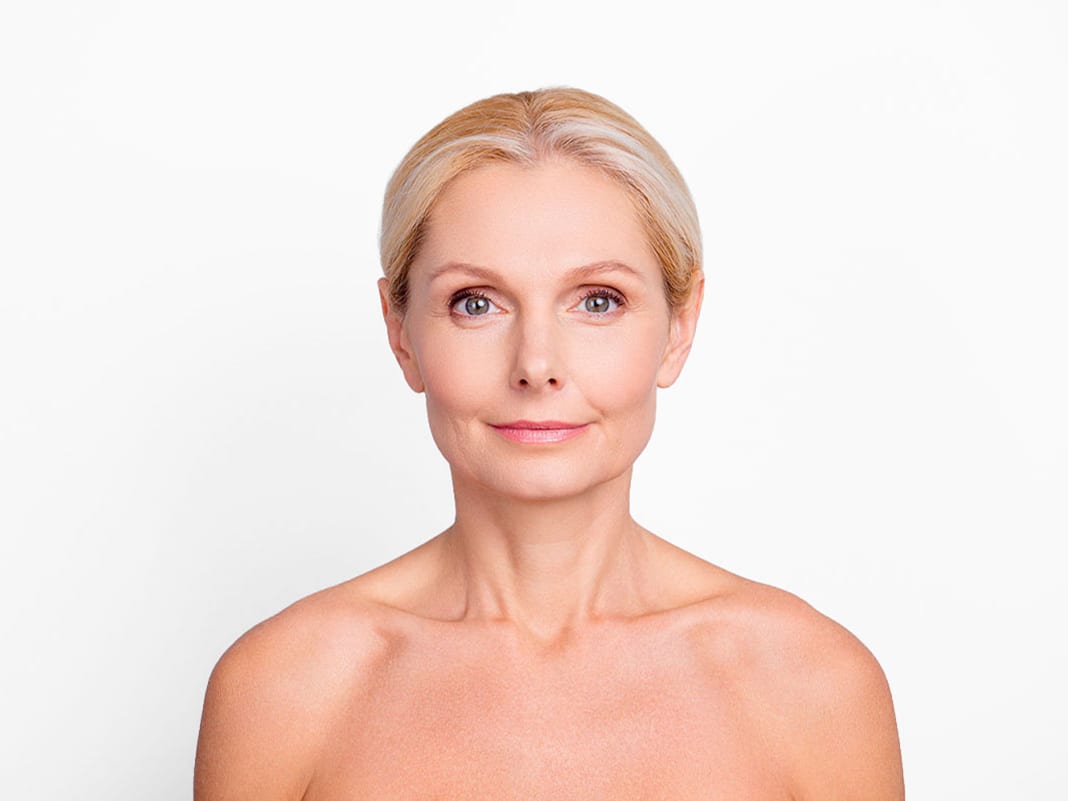
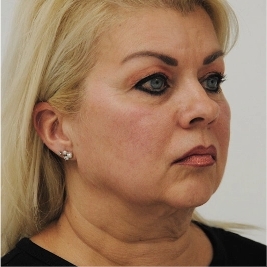
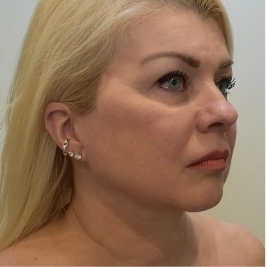
A facelift, or rhytidectomy, is a procedure that repositions and lifts the skin and underlying facial tissues to create a natural, rejuvenated appearance in the face and neck.
As you age, the deep, internal layers of facial musculature and soft tissue experience ptosis (sagging). This can distort the contour of the face by creating jowls, drooping cheeks, deep wrinkling, and other imperfections. A facelift restores a youthful-looking, refreshed facial profile by tightening soft tissue and removing excess skin.
At his private practice in Montreal, Dr. Gaby Doumit specializes in facelifts. As a highly sought-after, board-certified cosmetic and plastic surgeon, Dr. Doumit performs hundreds of deep plane facelifts per year. He and his staff are dedicated to providing comprehensive care and customized treatment plans for every patient.
In 2025, Dr. Doumit was invited to share his expertise in deep plane facelift surgery at three major international plastic surgery conferences. In October 2025, in New Orleans, he moderated a session on the evolution and innovation of the deep plane facelift at the American Society of Plastic Surgeons (ASPS) Annual Meeting. Earlier, in June 2025, he presented his approach and experience in deep plane facelift surgery at the French Society of Aesthetic Plastic Surgery, and he was also invited to present on the subject at the Brazilian Society of Plastic Surgery meeting. Performing more than 150 facelifts annually, Dr. Doumit is recognized internationally for his extensive experience and expertise in deep plane facelift surgery.
To learn more about facelifts or to schedule a private consultation with Dr. Doumit, please call (514) 932-8200 or submit our contact form to get started.
Contents
About Facelift Surgery
Facial aging encompasses shifts in skin texture, thinning or descent of facial fat, and gradual loss of facial bone volume. Dr. Doumit was one of the first surgeons to demonstrate facial bone volume loss with aging. These aging changes lead to sagging skin and altered facial contours. The main goal of a facelift is to restore the facial shape to the contour exhibited in youth. Dr. Doumit typically performs one of two main types of facelifts: the deep plane facelift and the short-scar deep plane facelift.
Deep Plane Facelift (Deep SMAS Flap Facelift)
Within the facial structure, there is a plane of tissue called the superficial muscular aponeurotic system (SMAS). A deep plane facelift releases and manipulates this layer to achieve optimal and long-lasting results. During this procedure, Dr. Doumit works toward this layer of tissue and fascia, then places deep, internal sutures to anchor the SMAS layer higher up on the facial profile. This action lifts the entire midface, jawline, neck and reduces multiple signs of aging. He also removes excess skin and sutures the incisions with minimal tension. Deep plane facelifts often result in cleaner, more concealed scars, comprehensive results, and favorable outcomes. (1)
Mini deep plane Facelift (Short Scar Facelift)
A mini facelift uses a smaller incision than traditional techniques to improve the contour of the of the face with less scarring. During this surgery, Dr. Doumit still navigates toward and dissect the deep fascia and SMAS layer. (2) This allows him to improve the patient’s jowls, laugh lines, and some signs of aging on the neck.
Dr. Doumit’s facelift procedures are highly personalized to match the patient’s unique facial structure and aging pattern, aiming to deliver long-lasting, natural-looking results with minimal downtime. He determines which facelift technique fits a patient best during a private consultation at his Montreal surgery center.
Benefits
A facelift can effectively address symptoms of aging, such as:
- Jowling
- Sagging Skin
- Bulky Neck
- Double Chin
- Midface Wrinkles
- Volume Loss
- Muscle Shifting
- Weak Jawline
A facelift provides lasting structural benefits that can restore the entire midface area and create a youthful-looking contour. Depending on the patient’s goals and needs, Dr. Doumit may combine them with other procedures such as an eyelid lift or a neck lift. Overall, the patient will look younger and more vibrant, with many results lasting 10 to 15 years.
Ideal Facelift Candidates
Ideal candidates for a facelift procedure are typically those between the ages of 40 and 60 who have moderate to severe signs of facial aging. This can include jowling, deep wrinkles, sagging cheeks, or other signs along the mid-to-lower face. Candidates should still have some remaining skin elasticity and a strong bone structure. Patients should be in good overall health and have realistic expectations about the possible results. Additionally, candidates must be non-smokers or committed to quitting at least one month before the procedure. You may be an ideal candidate for a facelift if you want long-term improvements in visible signs of aging and aim for a refreshed, natural appearance rather than a complete reversal of aging.
Personal Consultation with Dr. Doumit
At your private consultation at our Montreal office, Dr. Doumit will review your medical history and treatment goals. Dr. Doumit will perform a comprehensive physical examination to assess your skin elasticity and underlying facial bone structure. Together, you will discuss your specific aesthetic goals, realistic expectations, potential risks, and pricing details. Based on this assessment, Dr. Doumit will create a personalized treatment plan with all the information you need for a successful procedure.
To schedule a consultation with Dr. Doumit, call our office at (514) 932-8200, or fill out our contact form to get started.
Optimizing Recovery with Proper Preparation
Proper preparation for a facelift is critical to achieving optimal results and smoothing the recovery. Preparing both physically and mentally is just as essential as the procedure itself. To ensure optimal results and minimize the risks of bruising and bleeding, patients preparing for a facelift must refrain from consuming alcohol and nicotine for at least four to six weeks before surgery. Additionally, patients should avoid blood-thinning medications such as aspirin and ibuprofen for two weeks before the procedure.
Patients must plan for a trusted adult to take them home after the procedure and assist them for the first 24 to 48 hours of recovery. To support healing, patients should set up a comfortable recovery area at home where they can keep their head elevated. Arranging time off from work and filling any prescriptions before the procedure are also key steps in preparing for facelift recovery.
Once Dr. Doumit finalizes your treatment plan, he will provide clear, detailed preoperative instructions tailored to your health profile and treatment plan.
Recovery and Results
Everyone’s recovery timeline varies slightly due to several reasons. Individual factors such as age, skin elasticity, overall health, specific treatment approach, and more all affect how quickly healing progresses. Below is a guide of what patients can generally expect during recovery:
Days 1 to 3
The first 72 hours are the most demanding period of recovery, with swelling and bruising reaching their peak. Patients can expect swelling to worsen significantly; however, this does not indicate the final result. Bandages will support healing tissues and minimize fluid accumulation. Depending on the method Dr. Doumit uses, small drainage tubes may also be in place but are typically removed within the first one to two days. To reduce swelling and fluid buildup in the tissues, patients must keep their head elevated above their chest at all times, including during sleep. Patients typically report feeling intense pressure and tightness rather than sharp pain, but Dr. Doumit can prescribe medication to help manage your discomfort. (3)
Days 4 to 7
During this stage, Dr. Doumit will typically remove heavy dressings and replace them with lighter support. Bruising should subside and typically migrates downward to the neck and sometimes the chest. Your face will remain swollen and may look unfamiliar, but this does not signify the final result. This is when patients should prioritize rest, head elevation, and following Dr. Doumit’s postoperative instructions. (3)
Week 2
By the second week, Dr. Doumit removes your sutures, tightness eases, and swelling visibly diminishes. Lingering swelling and bruising in the treated areas may cause temporary numbness, tingling, or tightness, but these are standard post-facelift symptoms. The end of week two marks a significant turning point in recovery, when patients begin to see initial glimpses of their final result. While your face will not yet look like the final result, it will appear more refreshed and rested rather than post-surgical. Most bruising resolves by the end of week two, and you can cover any remaining bruising with light makeup. This is when patients begin to feel more like themselves and can return to work or resume light activities like walking. (3)
Weeks 3 to 4
By weeks three and four, patients will begin to see visible improvements in their facial contour. Makeup can conceal lingering bruising or discoloration, and most patients feel comfortable in public and light social settings. The incision sites will have a pinkish-red hue, which should fade with time. Although the new facial shape will be visible, as swelling continues, some patients may notice firmness or mild numbness along the jaw and ear area. These symptoms are a standard part of the healing journey and will gradually resolve as the repositioned tissues settle into place. (4)
Weeks 5 to 8
By this time, patients can return to non-strenuous exercise and their normal daily routines if cleared by Dr. Doumit. The incision lines will transition from a pinkish-red hue to a more neutral skin tone, and the surrounding tissues of the affected areas will begin to feel natural and softer. (4) Your face will look refreshed and more youthful, with no noticeable signs of surgical alteration.
Months 3 to 12
By the three-month mark, your final results will begin to appear, and with the clearance from Dr. Doumit, you may return to high-impact exercise. Over the next few months, as internal tissues settle, scars will continue to fade, and any residual firmness will soften and feel more natural. The areas of firmness and numbness that you may have experienced at week six will gradually return as sensory nerve fibers regenerate. The final result of your facelift, including scar quality, sharpness of the jawline, and the settlement of the midface contour, will refine over the course of a year. (4)
Cost of Facelifts in Montreal
Final facelift cost depends on several factors, including the techniques used, the time required to perform the surgery, the anesthesia used, and other variables, but patients will receive a free IPL (photorejuvenation) session in their treatment plan. During your consultation, Dr. Doumit will provide a comprehensive price quote. To learn more about the cost of your facelift, call our office at (514) 932-8200 or contact us online to get started.
FAQ
At what age should I have a facelift?
Most patients who seek facelifts are between the ages of 45 and 60. However, facelift candidacy depends less on age and more on your target concerns. If you experience noticeable jowling, deep folds, or neck laxity that non-surgical options cannot fix, a facelift might be an optimal solution.
How long will a facelift last?
While a facelift delivers a more youthful look, it cannot stop the natural aging process. How long your results remain depends on factors such as the technique used, your skin type, and your lifestyle habits. Results from a traditional facelift generally last 10 to 15 years, while a mini or short-scar facelift typically lasts five to seven years. Individual results may last longer or shorter because each patient’s facial structure is unique.
How much downtime is there during the facelift recovery period?
On average, most patients need to rest for at least two weeks after their procedure. Healing will continue beyond this point, but recovery becomes more comfortable around this time as well.
References
- Raggio BS, Patel BC. Deep Plane Facelift. PubMed. Published 2021. Accessed June 18, 2024. https://www.ncbi.nlm.nih.gov/books/NBK545277/
- van der Lei B, Cromheecke M, Stefan O.P. Hofer. The Purse-String Reinforced SMASectomy Short Scar Facelift. Aesthetic Surgery Journal. 2009;29(3):180-188. doi:https://doi.org/10.1016/j.asj.2008.10.010
- Robert Improta MC, Tuesday D. Your facelift recovery explained from Day 1 to Day 30. American Society of Plastic Surgeons. Accessed August 25, 2026. https://www.plasticsurgery.org/news/blog/your-facelift-recovery-explained-from-day-1-to-day-30
- Rohrich RJ, Sinno S, Vaca EE. Getting Better Results in Facelifting. Plastic and Reconstructive Surgery – Global Open. 2019;7(6):e2270. doi:10.1097/gox.0000000000002270